
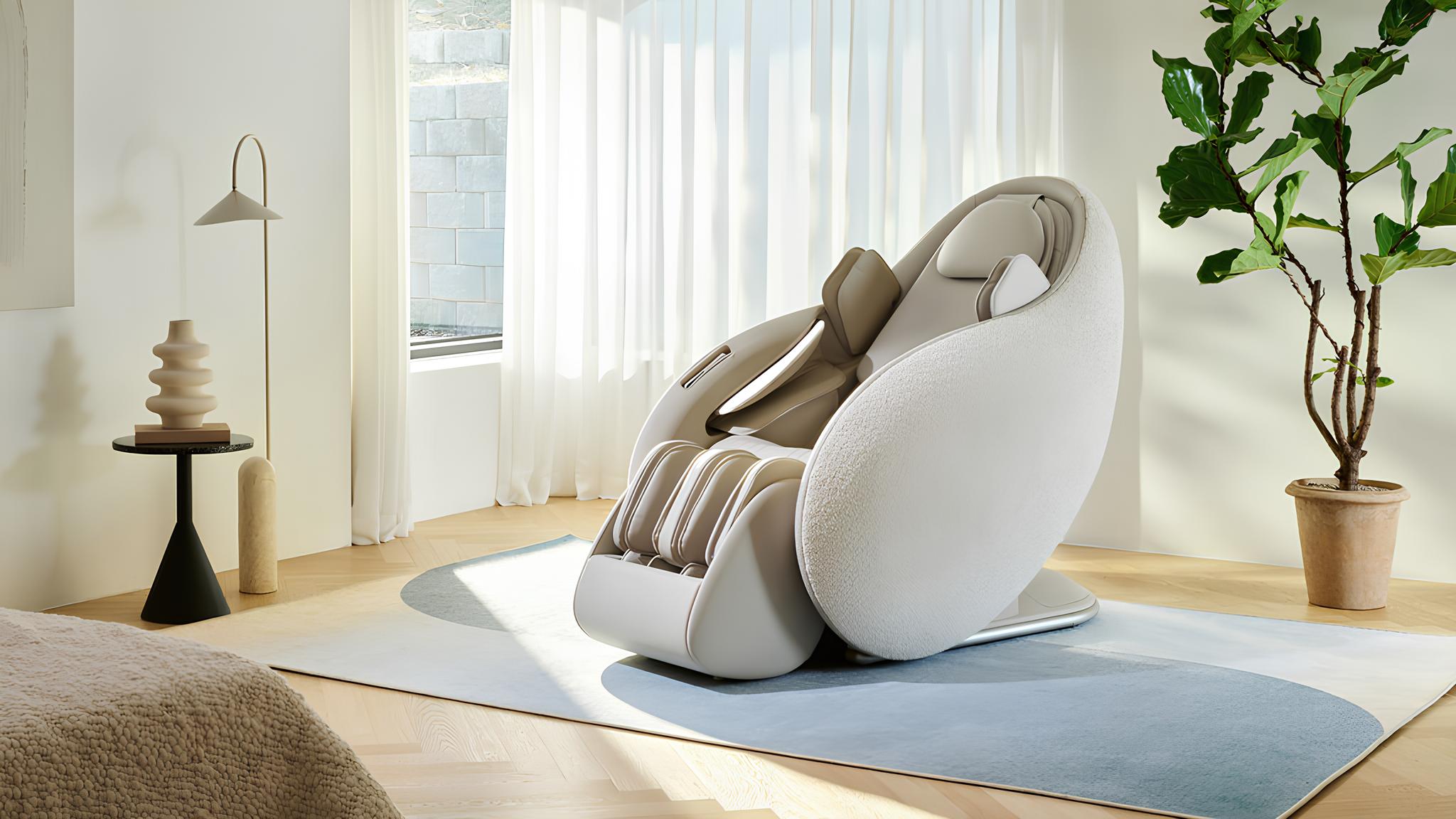
In recent years, technology has also made its way into the world of wellness. Vibrating chairs, mechanical rollers, and pressure devices have appeared on the market, promising quick relaxation and efficiency. They are accessible, practical, and, for a moment, can bring a certain relief to a tired body.
And yet, no matter how advanced these tools may be, they cannot replace what is essential: the living, warm, and mindful touch of a therapist’s hands.
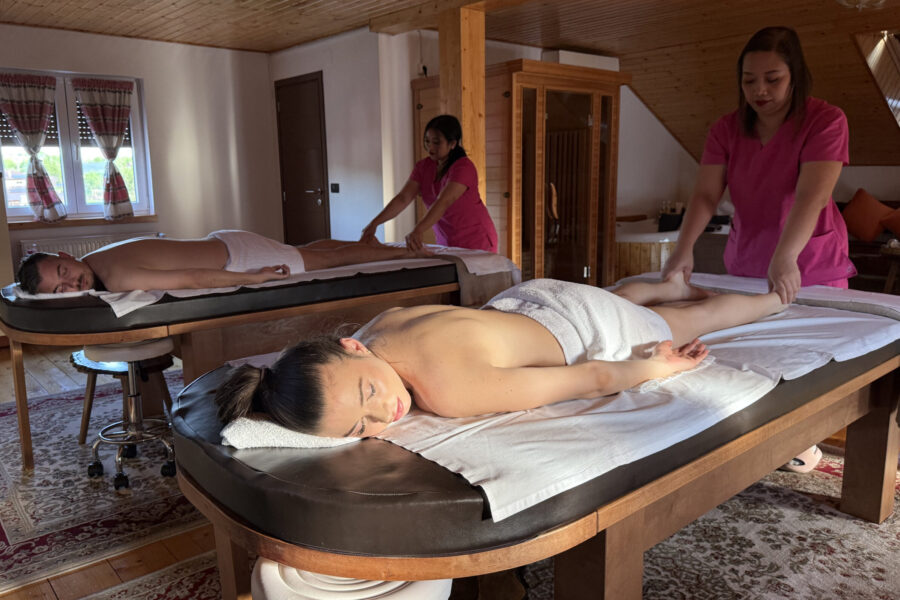
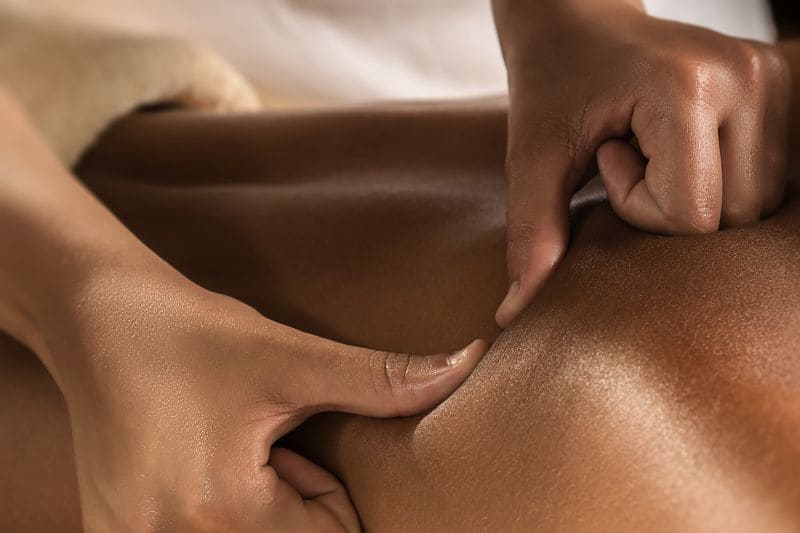
Manual massage is not limited to technique. It means adaptability, creativity, and above all, an exchange of energy. A therapist’s hands can feel what no machine can detect: the tension of a muscle, the rhythm of breathing, the vibration of emotions stored in the body. They adjust from moment to moment, offering exactly the pressure, speed, and intensity you need. It is a silent yet profound dialogue between two living beings.
More than that, manual massage is an act of healing through touch. Human touch has the power to transmit safety, to calm the nervous system, and to activate oxytocin – the hormone of bonding and trust. It is a subtle yet powerful force that brings both body and mind into a state of genuine relaxation.
In addition, context matters: the space where the massage takes place, the atmosphere created through light, music, and silence, as well as the presence of the therapist, are all an integral part of the regeneration process. All of these elements transform manual massage into a holistic experience that nourishes both the body and the heart.
That is why, in this article, we will explore in depth the differences between manual massage and machine-assisted massage, in order to understand why human touch remains the universal language of healing—a gift that no machine can replicate.
The therapist has awareness, the machine has programs
Perhaps the greatest difference between manual massage performed by a therapist and machine-based massage is this: the human hand feels and adapts, whereas a device executes pre-set movements.
When a therapist touches you, they are not simply applying a learned technique. They listen to your body through all their senses: they feel the temperature of your skin, perceive tension in the muscles, observe the rhythm of your breathing, and even notice the subtle emotions stored in the tissues. A slight stiffness, a sigh, or a deep breath are signals the therapist immediately understands, adjusting pressure, rhythm, and the direction of their movements. It is a silent yet living dialogue between you and their hands.
No matter how advanced it is, a machine only operates through pre-set programs and standard intensity levels. It can press, vibrate, or roll in a way that feels pleasant for a while, but it will never know when to reduce pressure if a muscle is too sensitive, nor when to focus more deeply on an area of tension. This lack of adaptability makes the experience feel mechanical, uniform, and at times even uncomfortable.
This capacity for creative adaptation is what makes manual massage truly unique. Each session becomes personalized, different from one person to another and from one moment to the next. Your body responds differently, and a therapist’s hands have the intelligence to recognize this and to provide exactly what you need in that moment.
At its core, the human hand carries awareness and empathy, while a machine has only a fixed program. And it is precisely this difference that transforms manual massage from a simple technique into a deeply healing experience.
The therapist has creativity, the machine has rigidity
Manual massage is not just a series of repetitive movements, but a living form of art. Each therapist leaves a personal imprint in the way they touch, combine techniques, change rhythm, or adapt pressure. It is a subtle dance between technical knowledge and momentary intuition, between what has been learned and what is felt under the fingers.
The creativity of the hands transforms massage into a constantly new experience. At one moment, the pressure may be deeper and more intense to release accumulated tension; at another, it may become almost like a gentle caress, meant to soothe and convey safety. The therapist creates a silent dialogue with your body, where every movement is a response to what you feel and experience in that moment.
Machines, on the other hand, operate based on fixed programs: they roll, vibrate, or apply pressure following the same patterns, regardless of your individual needs. They cannot capture subtlety—the moment when the body releases and relaxes, or the sensitive spot that requires more gentleness.
That is why the experience with a machine often remains uniform, even monotonous. It may provide a pleasant sensation for a few minutes, but it lacks that living uniqueness that only a therapist’s hands can bring.
Ultimately, manual massage is a real-time creation, adapted to both your body and your state of mind, while mechanical massage is simply a repetition of programmed movements.
Healing through touch and energy transfer
Beyond technique and knowledge, manual massage carries a subtle element that is difficult to measure but easy to feel: the transfer of energy. It is that dimension which science is only beginning to explain, yet which traditions have always recognized.
When someone touches you with gentleness and presence, your body immediately receives signals of safety. The nervous system shifts into a relaxation state, and the brain releases oxytocin, the hormone of connection and trust. It is the same hormone that is activated when you receive a hug or hold the hand of someone you love.
Moreover, tense emotions—those invisible knots stored in muscles and tissues—begin to dissolve. A simple gentle pressure or a mindful touch can trigger a subtle release, as if the body were saying: “finally, I can relax.” This is how healing through touch takes place.
Eastern traditions describe the same phenomenon, but in a poetic language: the circulation of prana (in Ayurveda) or Qi energy (in Traditional Chinese Medicine). Conscious touch sets these subtle flows into motion, harmonizing them and bringing vitality to the entire body.
No matter how advanced it is, a machine cannot do this. It can perform correct movements, but it cannot transmit the warmth of human skin, healing intention, empathy, or inner calm.
Manual massage is, at its core, more than a technique: it is an embrace through the hands, an emotional and energetic experience that no technology can replicate. It is the invisible language through which two beings meet, and healing arises naturally, in silence and presence.
Your body is a living and complex organism
The human body is not just a machine made of muscles, bones, and joints that need to be “repaired” or relaxed. Our body is a living map in which emotions, stress, fatigue, and even memories are recorded and stored in the tissues.
Often, tension does not come only from daily posture or physical effort, but also from the emotional burdens we carry. A gentle touch on the back can release uncried tears, mindful pressure on the shoulders can unload weeks of stress, and a simple caress of the hands can restore that sense of safety and connection so essential to each of us.
Manual massage views the body as a whole:
Body, Mind & Soul.
The therapist does not only relax the muscles, but creates a space in which emotions can be released and where the body remembers what it feels like to be listened to. This holistic approach transforms massage into a complex form of healing.
No matter how advanced they are, machines cannot access this subtle dimension. They only mechanically move the muscle, without reaching the invisible but essential part: the soul.
The importance of the space where massage takes place
Massage is not just about technique; it is a complete experience that begins long before the therapist’s hands touch the body. The space in which the massage takes place matters greatly, as it prepares both mind and body to surrender into relaxation.
A spacious, airy, and quiet room creates a sense of freedom and safety. It gives you the feeling that you have enough space to breathe and to detach from the outside world’s noise and rush. Warm lighting, soft music, and delicate aromas work together like a subtle embrace: they relax your senses and communicate that you are in a place where you do not need to do anything, only to receive.
Order, cleanliness, and the carefully arranged energy of the space set the tone for the entire experience, because a harmonious environment can be felt even without words.
In a space specially created for massage, the body relaxes more easily. It is as if the space itself were whispering: “Here you are welcome. Here you can put everything down. Here you do not need to wear any mask.” This invisible sense of safety allows the therapy to go deeper, making relaxation more complete.
In contrast, in many salons where machines are predominantly used, the atmosphere is not always the same. Mechanical noise, constant vibrations, and the absence of a human presence can disrupt the flow of relaxation. Instead of silence and intimacy, a technical, cold, and impersonal note can emerge—one that does not always support the deep state of calm the body is seeking.
A massage device at home, no matter how useful it may be, or even in a modern salon, cannot replicate the silence, ritual, and sense of sacredness of a space dedicated to manual massage. The warmth of human hands, the intentionality of each gesture, and the carefully created atmosphere remain essential ingredients for a truly healing experience.
Manual massage as a ritual of presence
Massage performed by a therapist’s hands is not just a therapy; it often becomes a ritual of presence—a space where time slows down, thoughts quiet, and the body remembers what it means to be alive. It is that rare pause in which you do not need to do anything, except simply receive and enjoy the massage.
- Each touch brings the mind into the present moment. You are no longer thinking about yesterday or tomorrow’s worries. You are present in that moment, with everything you feel.
- Each movement creates a silent dialogue between you and the therapist. Even without words, the hands convey the message: “I see you. I support you. You are safe.”
- Each breath becomes deeper and calmer. The body enters a state of deep relaxation, activating the parasympathetic nervous system, the one responsible for restoration and regeneration.
Beyond these, the ritual of manual massage also brings other gifts:
- A grounding in the body. In a world where we spend most of our time in the mind, massage brings you back “home,” into your senses and into your living body.
- A space for emotions. Sometimes, a mindful touch can release tensions or emotions you didn’t even know you were carrying, offering a sense of relief and clarity.
- It is also a practice of reconnecting with yourself. Manual massage becomes a small ritual through which you are reminded that you deserve care, that you matter, and that you are not only what you do, but also what you feel.
This ritual dimension is completely absent from the mechanical experience of devices. They can provide sensation, but they cannot provide meaning. Manual massage, through living touch and authentic presence, transforms a simple moment of relaxation into an experience of deep healing and reconnection.
When Massage Devices Can Be Useful
Of course, massage devices also have their role, especially in the fast pace of modern life. They can be helpful for short breaks, for quickly relaxing the back or legs after a long day, or as support between manual massage sessions. They also offer accessibility and convenience: they can be used anytime at home, they require no appointment, they are easy to use.
For example, a small neck massage device can be very helpful after hours spent at the office, in front of the computer. A 10-minute session can relax the neck muscles and reduce tension headaches. Likewise, foot massagers, through pressure or vibrations, can bring quick relief after standing for long periods or walking long distances.
Other benefits of massage devices include:
- Convenience and accessibility – you can use them anytime, without depending on anyone else.
- Prevention of muscle fatigue – when used regularly, they can help maintain better circulation, reducing stiffness after long periods of inactivity.
- Recovery support – some devices, such as compression leg massagers, are used to stimulate circulation and speed up recovery after intense physical effort.
And yet, it is important to understand that these tools cannot replace human massage. They are a useful supplement, not a substitute. They bring a degree of comfort and relaxation, but they cannot provide the warmth, presence, and adaptability of living hands.
Living touch cannot be replaced!
When we talk about deep healing, connection, and balance, nothing can equal human touch. A therapist’s hands do not only relax the muscles; they “listen” to the body, adapt, transmit safety, and create a space where the mind and soul can calm down. In those moments, manual massage becomes more than a technique: it becomes a ritual of presence and a language of healing.
Devices complement, but living touch remains irreplaceable. It brings what no technology can offer: warmth, empathy, energy transfer, and the authentic feeling of being seen and supported.